Round-headed Bush Clover
By Lise Fracalossi
Lespedeza capitata
Native to: All of New England
Life cycle: Perennial
Light: Full/Partial Sun
Soil Moisture: Medium to Dry
Height: 2-4’
Spacing: 1-2’
Blooms: August-September
Bloom Color: Green, Cream
Natural Habitat: Human-disturbed or -maintained habitats, grassland, meadows and fields, woodlands
Benefits: Pollinator Favorite, Bird Favorite, Host Plant (eg. Cloudywings, Hoary Edge, Eastern Tailed Blue)
“Round Headed Bush Clover is a host plant to a number of butterflies and moths, including the Southern Cloudywing Butterfly, Northern Cloudywing Butterfly, Hoary Edge Butterfly, the Eastern Tailed-Blue, and the Bella Moth. The plant is especially high in protein making it a favorite choice of many kinds of mammalian wildlife including deer, rabbits, and muskrat. It can also be used in pastures as livestock forage. The seeds are eaten by gamebirds and songbirds, including the Mourning Dove, Bobwhite, Turkey, and Junco.”
–Prairie Moon Nursery
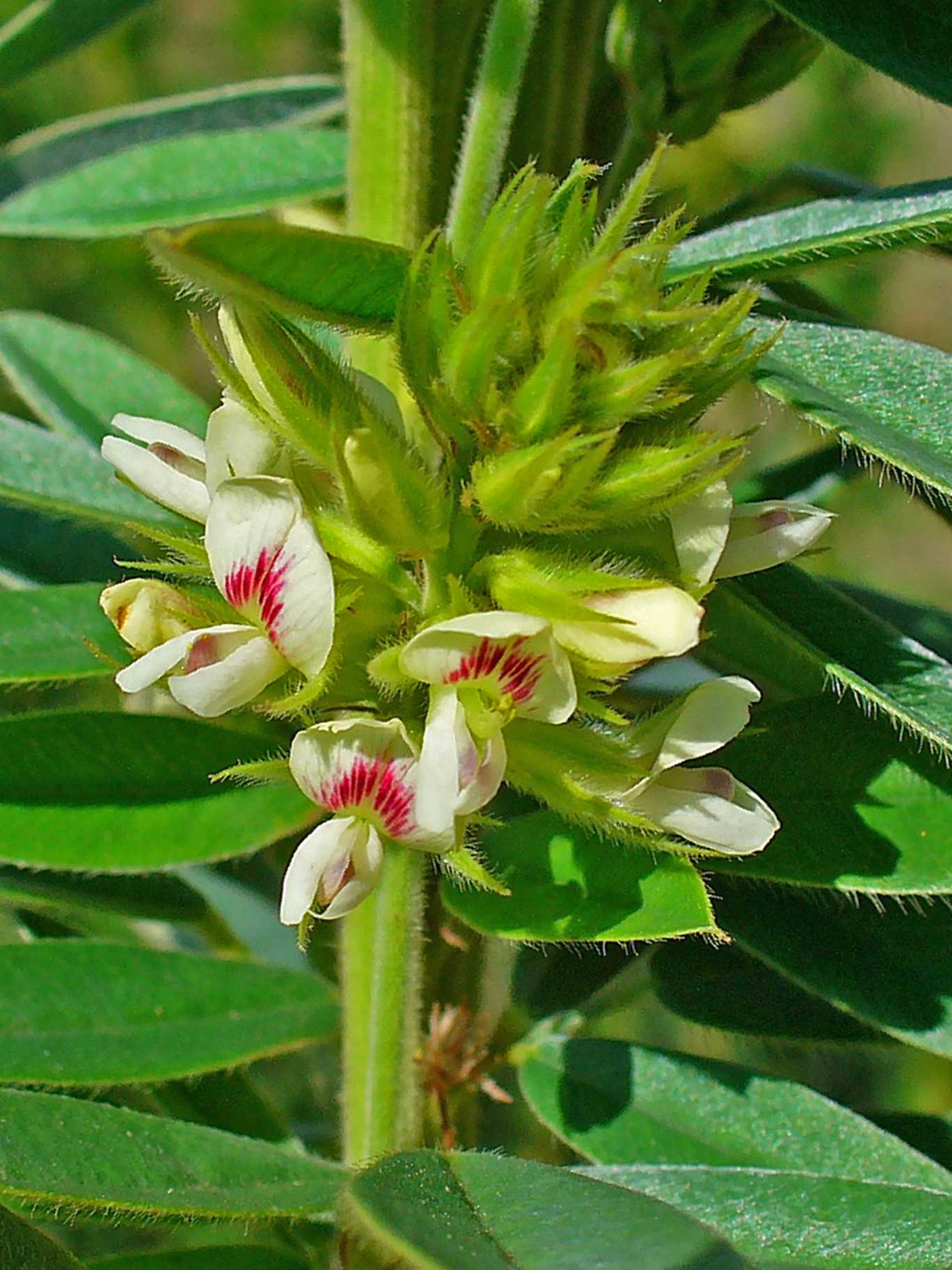
Round-headed bush clover (Lespedeza capitata)
Photo (and banner image) by H. Zell - Own work, CC BY-SA 3.0