Virginia Rose
By Lise Fracalossi
Rosa virginiana
Native to: All New England
Life cycle: Perennial Shrub
Light: Full/Partial Sun
Soil Moisture: Dry to Medium
Height: 2-4’
Spacing: 3-6’
Blooms: Summer
Bloom Color: Pink
Fruits: Summer
Fruit Color: Red
Natural Habitat: Dry, sandy, or gravelly meadows and roadsides
Pairs Well With: New Jersey tea, downy goldenrod, wild bee-balm, foxglove beardtongue, small bayberry, sweetfern, and rosy meadowsweet
Benefits: Fall Foliage, Host Plant, Attracts Butterflies, Attracts Songbirds, Pollinator Powerhouse Plant, Benefits Other Pollinators/Wildlife, Attracts Bees, Drought Tolerant, Deer/Rabbit Resistant, Urban Environment, Salt Tolerant, Fragrant, Low Maintenance, Erosion Control/Soil Stabilization
“Virginia rose is a great species to start with when you’ve been told too many times that roses are difficult to grow. This is a drought-tolerant, disease-resistant species that works beautifully in hedges, masses, or for naturalizing.”
– Native Plant Trust
“In mid-summer, lovely pink, single flowers with yellow centers cover this mounding shrub, attracting many species of bees. Foliage is dark green and shiny. In the fall, red fruits provide beauty and food for overwintering animals. Hips make a nice tea high in vitamin C.”
– Wild Seed Project
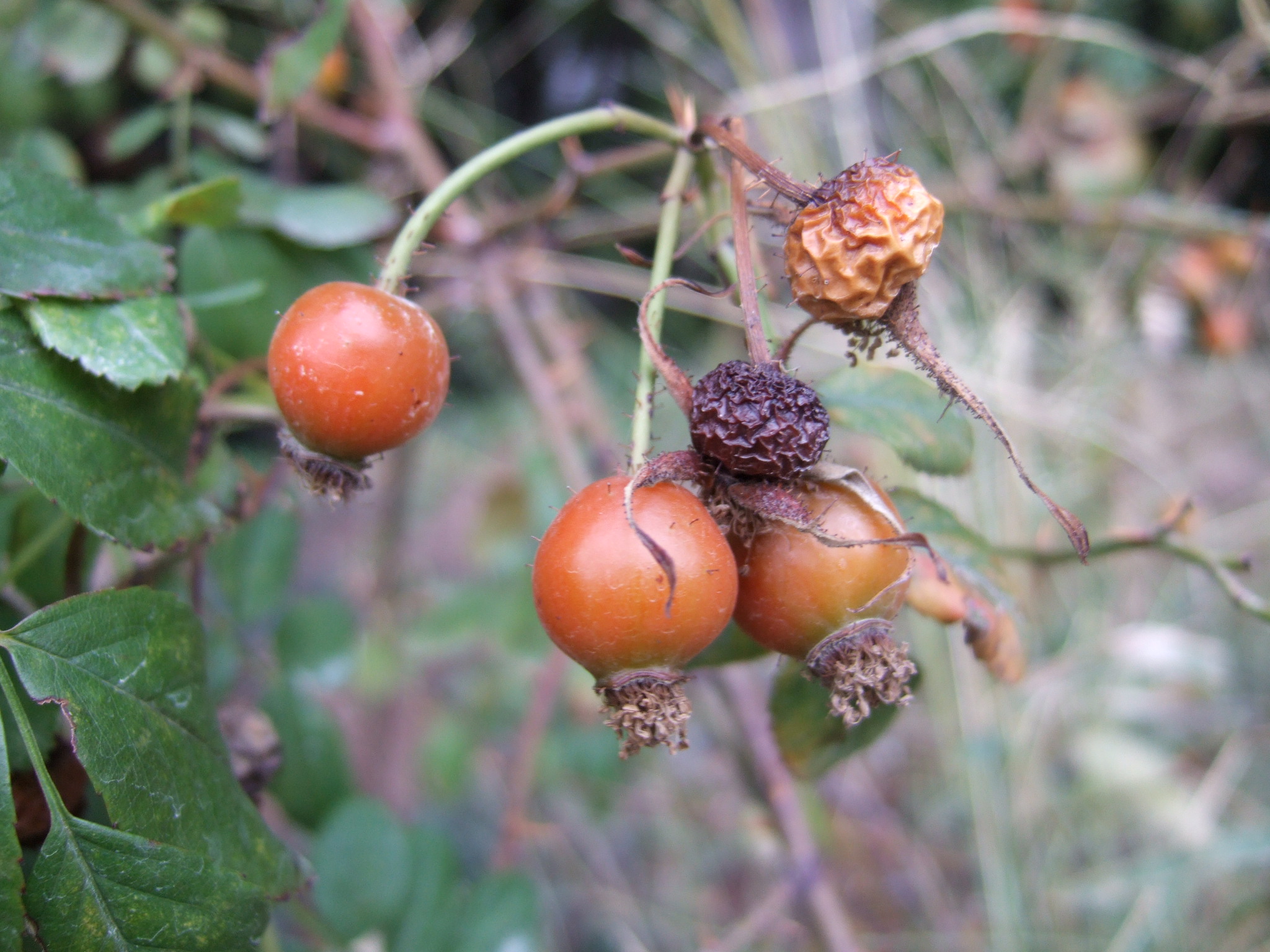
Virginia rose (Rosa virginiana) fruit
Featured image by Alvesgaspar - Own work, CC BY-SA 3.0, https://commons.wikimedia.org/w/index.php?curid=27748986